

Is Making Moonshine Illegal? What Personal Use Changes—and What It Doesn’t
Is making moonshine illegal? If by moonshine you mean distilling beverage alcohol at home, the safest general answer in the United States is yes, unless the production complies with applicable federal and state requirements. Making a small amount for yourself does not automatically create an exemption.
However, older answers miss a big legal change. In April 2026, one federal court ruled that the ban on making liquor at home was unconstitutional, but another court kept the ban in place. These rulings only affect specific laws and do not eliminate all alcohol rules. An appeal is currently before the Supreme Court, and the case docket shows no final nationwide decision as of September 15, 2026.
That leaves two questions for someone thinking about a hobby batch: Where would the spirits be made, and under what authority? A court ruling about the location of a distillery is not a general permit to produce untaxed or unregistered liquor. Texas presents an additional complication because its proposed home-distilling bill passed the state House but did not become law.
First, what does “making moonshine” mean?
Moonshine is an informal term, not a separate category of drink that receives its own personal-use exception. People usually mean spirits made without the required approvals, often in a home still. The legal distinction is between fermenting and distilling.
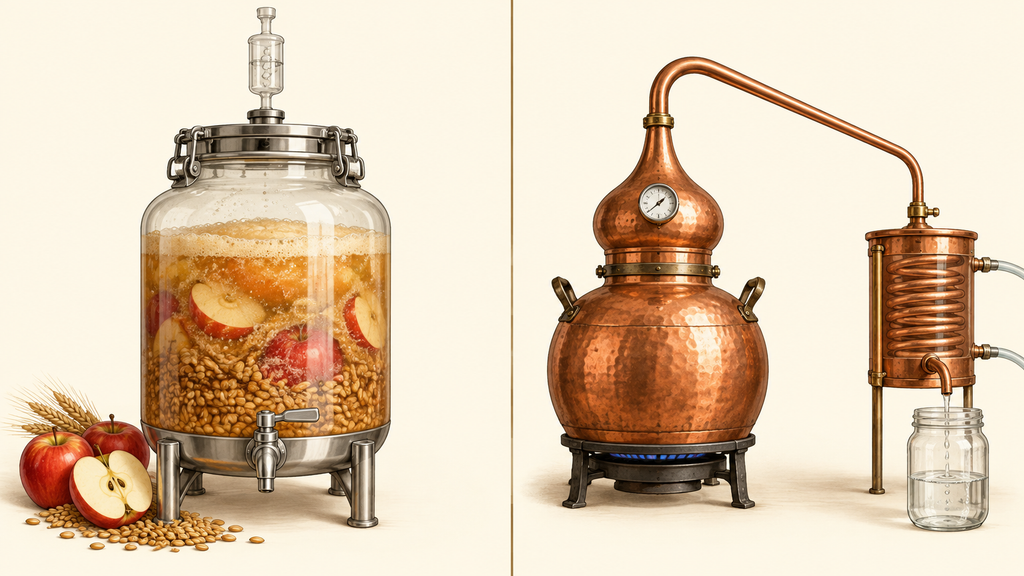
Fermentation turns sugars into alcohol. Beer and wine are examples of fermented drinks. Distillation uses equipment to separate and concentrate alcohol from a fermented liquid, producing spirits such as whiskey, vodka, or brandy. The rules that let an adult make beer or wine at home cannot simply be carried over to spirits.
This is why two similar activities can have different rules. Brewing wine at home for family use is often allowed. But turning that wine into brandy means making hard liquor, which follows a much stricter set of rules. Giving the brandy away instead of selling it does not change the fact that you distilled it.
Why is making moonshine illegal without the required approvals?
Alcohol law is built around more than whether the producer earns money. Distilled spirits are subject to rules concerning production sites, registration, tax, records, and distribution. Those requirements give authorities a way to identify producers, account for the alcohol made, and enforce the rules that apply when it enters circulation.
Federal guidance still describes home production of spirits as prohibited and lists several potential offenses, including unlawful production, an unregistered still, and distilling on a prohibited premises. That page was last updated in March 2025, before the opposing appeals decisions. It is useful for understanding the broader regulatory scheme, but it does not by itself explain the effect of the 2026 rulings.
People used to make home stills illegal mostly to stop tax evasion. The courts argued over whether banning home distilleries is a legal way to collect alcohol taxes. Neither ruling meant people could ignore other production, registration, or tax rules.
Safety is also important. Making liquor involves heat, flammable vapor, and pressure. Even if it is legal, homemade alcohol can be unsafe, and sharing it with friends does not make it risk-free.
Is making moonshine illegal for personal use in the U.S.?
Personal use alone is not enough. The federal spirits guidance says beverage spirits require prior approval for a qualified production operation and applicable tax compliance. It separately recognizes personal or family production of eligible beer and wine. State requirements can add another layer.
Here is an example: imagine someone makes homemade whiskey just to keep it. Even without a sale, this raises big questions about illegal brewing, equipment, and taxes. Saying it is just for personal use does not answer these questions.
Now imagine an approved producer making spirits at an authorized site and meeting its production and tax obligations. That is a very different legal situation, even if someone involved eventually consumes some of the spirits privately. The distinction is compliance with the rules governing production, not simply the producer’s motive.
What changed in the April 2026 court cases?
The Fifth Circuit’s April decision held that two federal provisions barring a distilled-spirits plant at a residence or connected premises, and penalizing distilling there, were unconstitutional in the case before it. The court affirmed a modified injunction against enforcement of those provisions. The Fifth Circuit covers Texas, Louisiana, and Mississippi.
Eleven days later, the Sixth Circuit’s April decision upheld the constitutionality of the federal home-distilling restriction in a separate case. The Sixth Circuit covers Kentucky, Michigan, Ohio, and Tennessee. The two courts therefore reached different answers about the challenged federal prohibition.
This is a court split, not a nationwide cancelation. The reach of a court order, other federal rules, and state laws all matter. Do not assume that living in a Fifth Circuit state, joining a club, or reading a headline automatically lets you build a gun at home. Also, do not rely on articles written before April 2026 for the current federal rules.
The pending review petition could eventually change the answer. Until there is a further ruling or legislative change, the careful practical answer remains: do not start beverage-spirit production on the strength of a personal-use claim or a headline about the Fifth Circuit. Determine which production and tax rules apply to your exact circumstances first.
Is making moonshine illegal in Texas?
Texas did not adopt a general home-distilling exemption through its 2025 bill. Its existing home-production provision concerns wine and malt beverages, not a blanket permission to distill liquor. The state’s home-production law must be read alongside the federal rules governing spirits.
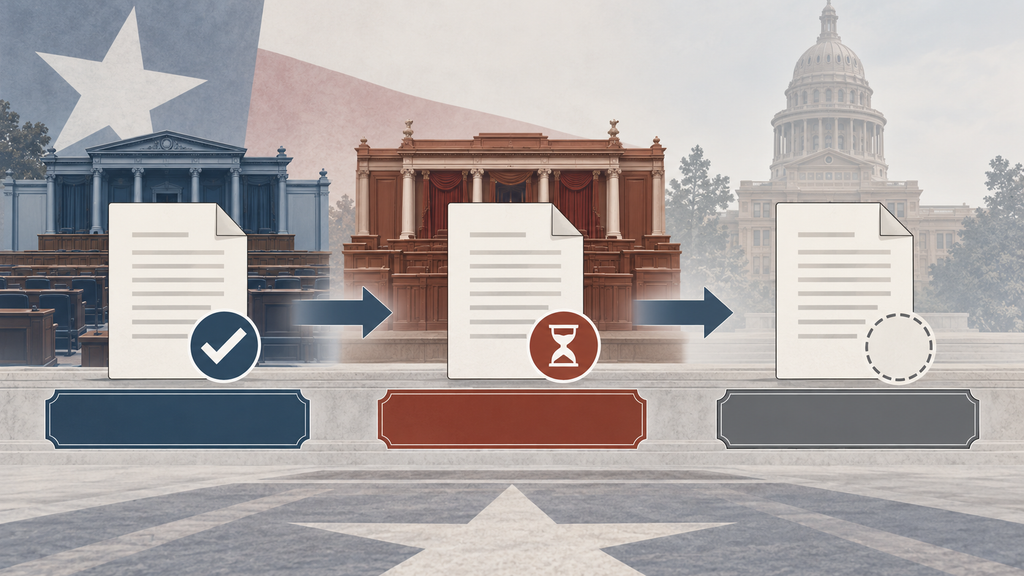
A bill proposed adding liquor to Texas’s home-production framework. It passed the state House in May 2025, which led to some confident online claims that Texas had legalized personal moonshine. But passing one chamber is not the same as becoming law. The official bill history lists its last action as being received by the Senate; it does not show enactment.
Texas was also where the federal case and Fifth Circuit ruling took place. These are different things. A ruling that limits certain federal home-distilling rules does not change Texas alcohol laws. Also, a bill that never became a law cannot give you an exemption under state law.
If you are in Texas, check the current state statute, the precise federal requirements for your proposed activity, and any applicable local conditions before treating a home still as lawful. The same separation between federal and state rules matters in Louisiana and Mississippi, even though they are also within the Fifth Circuit.
Does owning a still make you a moonshiner?
Not necessarily. Possession, intended use, and actual production are different questions. Federal guidance on small stills says owning one and using it for some non-alcohol purposes can be allowed. It also warns that making alcohol with a still requires qualification under the applicable spirits rules.
That does not mean every still is lawful under every state or local rule, or that an individual can safely assume a particular use is exempt. Equipment used for water, essential oils, or another nonbeverage purpose presents a different situation from equipment set up to produce whiskey. If the intended product is alcohol fuel, that, too, has its own approval requirements; calling beverage spirits “fuel” does not create a loophole.
The question is therefore more precise than “Are stills legal?” Ask: What is the equipment being used to produce, where, and under which approvals?
Can you legally make moonshine if you get a licence?
A legitimate spirits producer may be able to qualify to manufacture spirits, but that is not a simple personal-use permission slip. Federal permit information addresses qualification to operate a regulated spirits business. Production requirements may involve an approved operation, suitable premises, records, equipment, tax obligations, and state authorizations.
The 2026 home-distilling litigation arose partly because prospective hobby distillers sought a way to make spirits at home and were told the agency would not consider a beverage-distilling permit for a residence. The subsequent Fifth Circuit decision changed the constitutional analysis of the challenged home-location provisions in that case. It did not declare that an ordinary unapproved home batch satisfies all remaining requirements. The court’s opinion is the best place to check what it actually decided.
If your real goal is to start a distillery, research the production approvals for an actual premises and your state’s licensing process. If your goal is to experiment with flavors, do not assume the legal path for a commercial producer can be replaced by saying the batch is a hobby.
How do the UK, Canada, Australia, and Europe compare?
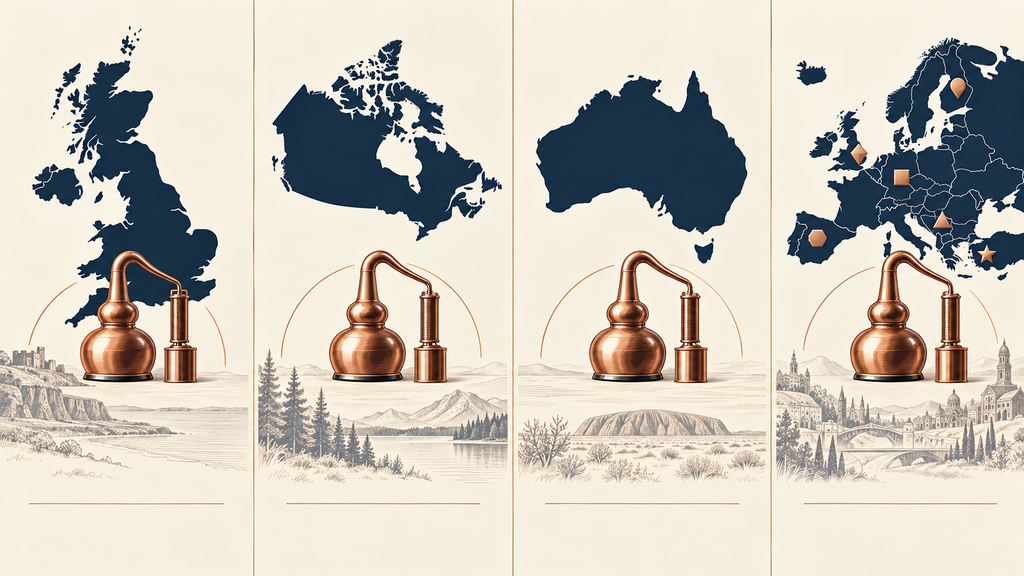
“Moonshine” is most closely associated with the U.S., but people use the word to ask the same basic question elsewhere: Can I distill beverage spirits at home solely for myself? The answers depend on the country. Europe is particularly easy to misstate because it has no single rule that makes home distilling legal or illegal in every country.
| Place | Personal-use answer for distilled spirits |
|---|---|
| UK | Domestic-use production is exempt from producer approval only for alcoholic products excluding spirits. Spirit production needs the appropriate approval, and domestic consumption does not automatically remove duty. |
| Canada | Federal law requires a spirits licence to produce or package spirits; a wish to keep the batch is not a licence. Provincial rules may also matter. |
| Australia | The national tax authority says it does not grant licences to distill spirits for personal consumption; a commercial purpose is required for a spirits-distilling licence. |
| Europe | There is no Europe-wide personal moonshine exemption. European excise rules and each country’s national production rules must be considered separately. |
Is making moonshine illegal in the UK?
The UK’s current producer-approval guidance expressly excludes spirits from the exemption for alcoholic products made only for the producer’s domestic use. It also says an approved producer’s alcoholic products made for their own domestic consumption can still be liable for Alcohol Duty.
That means the ability to make some fermented drinks at home does not authorize home distillation of spirits. It also exposes a common misunderstanding: “home use” in tax and excise materials can mean release for consumption, not an exemption for anything made inside a home.
Is making moonshine illegal in Canada?
Canada’s federal excise law requires a spirits licence for the production or packaging of spirits. The law does not turn private consumption, a tiny batch, or a lack of sales into a substitute for that licence. Rules concerning liquor also exist at the provincial level, so a producer must consider more than the federal statute.
Do not generalize from Canadian home wine or beer rules to distilled spirits. Fermentation and distillation remain different regulated activities.
Is making moonshine illegal in Australia?
For someone hoping to distill only for themselves, the answer is especially direct. The spirits excise guidance says licences to distill spirits are not granted for personal consumption and that a commercial purpose is needed.
Australian advice about making beer or wine at home should therefore not be read as permission to run a spirits still. State and territory rules may add obligations for a legitimate producer, but they do not reverse that national personal-distilling position.
Is making moonshine illegal in Europe?
There is no responsible yes-or-no answer for all of Europe. The European excise framework addresses categories of alcohol and tax treatment, while countries have their own rules about who may produce spirits, register equipment, and claim any small-producer or traditional-production treatment.
A study of personal alcohol production found that exemptions across member countries commonly concerned beer, wine, or other fermented drinks; spirits were treated much less uniformly. That is useful context, not a current permit for any particular European country.
There is one more geographic trap: the UK and Europe are not interchangeable legal categories. The UK has its own approval rules. Within the European Union, check the specific member country. For a country elsewhere in geographic Europe, check that country’s national law rather than assuming European Union rules apply.
What about flavored liquor, gifts, or an alcohol-fuel still?
These edge cases matter because a search for “personal use” often hides a different intended activity.
If you flavor legally purchased spirits without distilling them, you are not doing the same thing as producing moonshine from a fermented liquid. Other rules can still matter if you sell or distribute what you make, but adding fruit to a purchased bottle is not itself the home-distilling question answered above.
If you give away spirits you distilled, making them was still an act of spirits production. Not charging a friend does not retroactively turn it into exempt beer or wine. Selling spirits introduces additional licensing and distribution questions on top of the production issue.
If you want to produce alcohol for fuel, the rules are different from those for beverage spirits. Federal spirits guidance describes an approval process for fuel production. That is not permission to drink the resulting alcohol or to relabel a beverage batch as fuel after the fact.
Frequently asked questions
Is making moonshine illegal if I make only one bottle?
A small quantity does not itself create a U.S. federal personal-use exemption for distilled spirits. The relevant production, location, tax, and state-law questions still need answers.
Did the 2026 ruling make home distilling legal everywhere?
No. The Fifth Circuit ruled against particular federal home-location provisions in one case; the Sixth Circuit upheld the restriction in another. A petition for further review remains pending as of September 15, 2026. Other federal and state requirements have not disappeared.
Is making moonshine illegal in Texas even after the federal court win?
Do not treat the court win as blanket authorization. It did not enact Texas’s proposed liquor home-production bill, and it did not remove every federal requirement associated with making spirits. Check both layers of law for your intended activity.
Can I buy a still without using it for moonshine?
Federal guidance distinguishes some permitted ownership and nonbeverage uses from producing alcohol. The legality of a specific still and its intended use may also depend on state and local rules.
Is home-brewed beer the same as moonshine?
No. Beer is fermented; moonshine usually refers to distilled spirits. Personal-use provisions for beer or wine should not be applied to spirits without a specific rule saying they apply.
What is the practical answer?
If you want to make whiskey, vodka, brandy, or another beverage spirit at home, “it is only for me” is not enough to establish legality. The 2026 court split makes an old, unqualified “illegal everywhere” answer incomplete, but a headline saying “home distilling is now legal” is incomplete too. Identify your state or country, the product you intend to make, the production site, and the approvals and tax rules that would apply before producing spirits.
