

Is Graffiti Illegal? Rules for Walls, Trains, and Abandoned Buildings
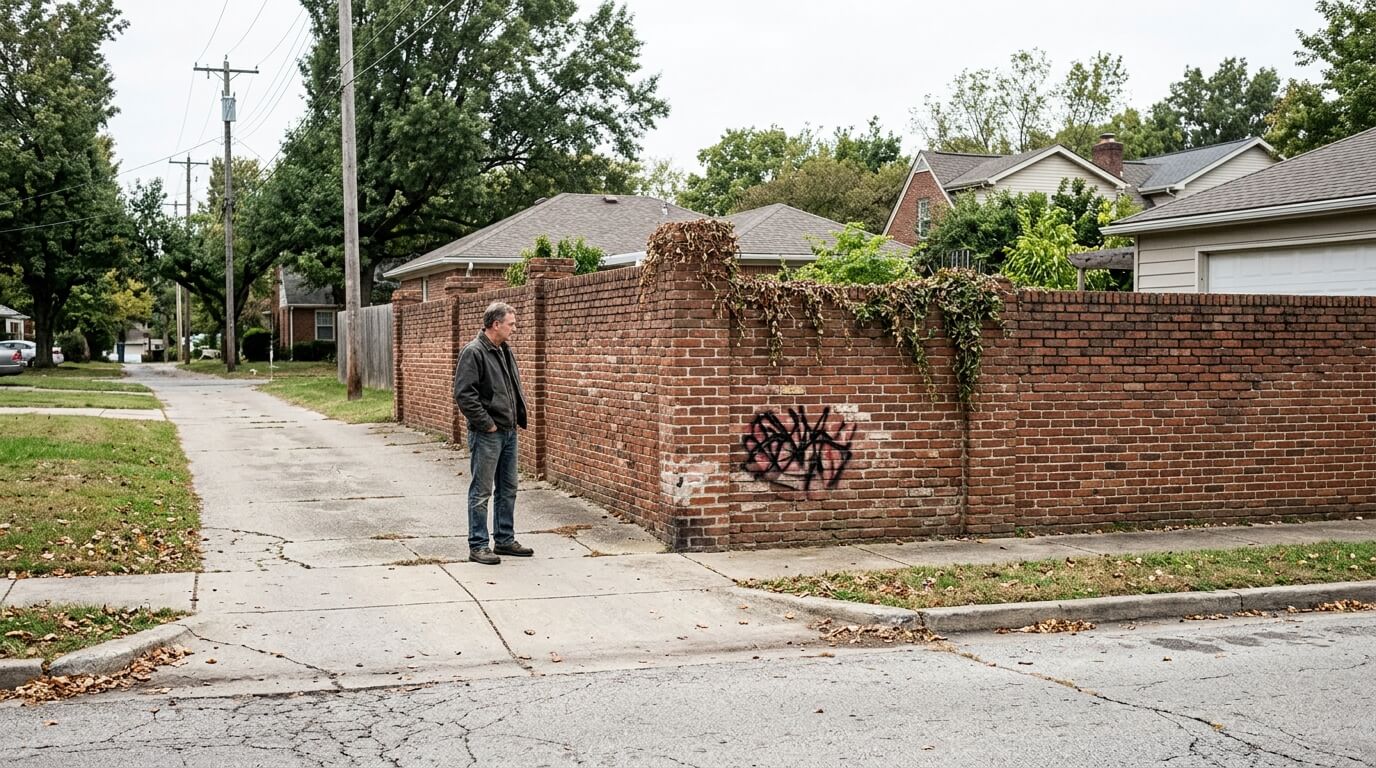
Is graffiti illegal? In the United States, marking someone else’s property without authorization can lead to vandalism, criminal mischief, or graffiti charges. An approved mural or an authorized painting area can be lawful, although local permits and other restrictions may still apply.
The difficult cases involve empty buildings, parked trains, public walls, and permission from someone who may not control the surface. Each situation raises separate questions about authorization, access, and the applicable offense. This guide explains those differences, selected penalties, and practical options for artists and property owners.What to know before painting or cleaning
- Permission and applicable local rules matter more than whether the work looks artistic.
- An empty building or an existing tag does not establish permission to add graffiti.
- Trains and rail yards create separate access and safety concerns.
- Damage amounts can affect criminal penalties, and cleanup obligations can be additional.
- Homeowners should document unwanted graffiti and check reporting options before removal.
What Is Graffiti?
In everyday use, graffiti means writing, symbols, drawings, or designs placed on a surface, commonly a wall or other structure. People may create it with spray paint, markers, stencils, scratching, or etching. Legal definitions can be narrower and may require lack of authorization, intent, or damage.
For example, New York’s making-graffiti law addresses marking public or private property with intent to damage it and prohibits doing so without the owner’s or operator’s express permission. That is a specific state rule, not a definition that applies everywhere. It also shows why graffiti law is not limited to aerosol paint.
What Makes Graffiti Illegal?
The precise charge depends on state and local law. Authorities may need to establish who made the mark, whether the person had authority, what mental state the law requires, and whether the conduct caused legally recognized damage or defacement. A national guide cannot replace those elements with one universal checklist.
Permission should come from someone who actually has authority over the surface. A neighbor generally cannot authorize painting your fence just because they can see it, and a tenant may lack authority to approve changes to an exterior wall. When control is unclear, resolve it before starting rather than relying on a casual assurance.
Does the Surface Have to Be Broken or Permanently Ruined?
Not every graffiti law requires a broken window, structural damage, or a surface that can never be restored. Defacement itself may fall within the relevant statute. The expense of restoring a marked surface can also matter when assessing the applicable damage amount.
Under California Penal Code Section 594, maliciously defacing another’s property with graffiti is one form of vandalism. The section also covers damaging or destroying property and sets different consequences based on the damage amount. A removable mark should therefore not be assumed harmless under the law simply because it can be cleaned.Where permission is commonly misunderstood
| Location | What to know |
|---|---|
| Your own wall | Ownership addresses a major permission issue, but permits, shared ownership, lease restrictions, or historic rules may still matter. |
| Someone else’s building | Obtain authorization from a person with authority over the exact surface and check local requirements. |
| Abandoned-looking property | Vacancy, damage, and existing tags do not establish consent. |
| Train or rail yard | A parked car is not an open painting surface, and entry can raise separate trespass concerns. |
| Public wall or underpass | Public ownership does not mean unrestricted public use. |
| Designated art wall | Confirm its current operator, approved boundaries, access hours, and any registration or permit conditions. |
Is Graffiti Illegal in Abandoned Buildings?
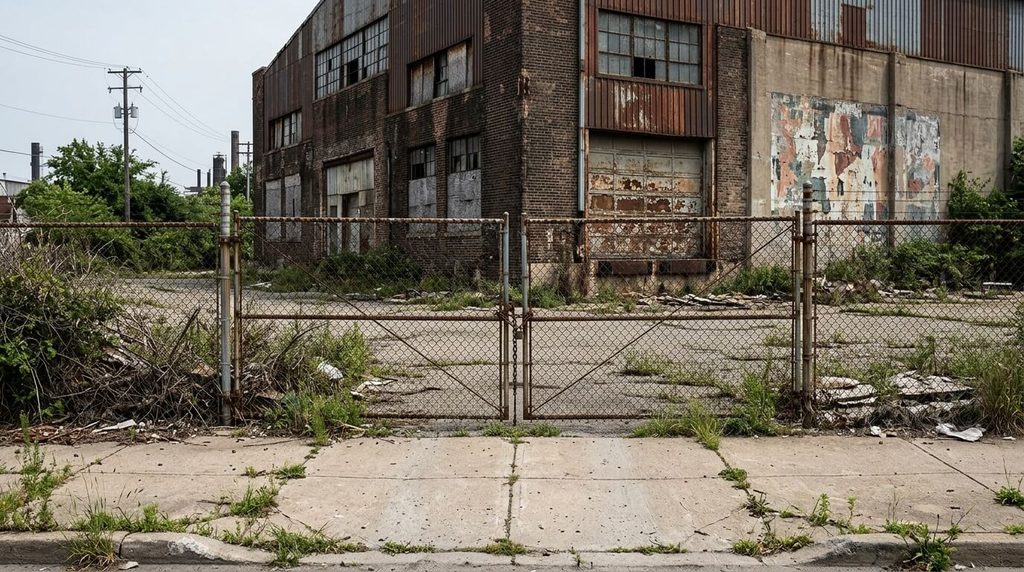
Usually, an abandoned-looking building is not a lawful place to paint without authorization. An empty warehouse may still belong to an individual, business, lender, or public agency. Open doors, broken windows, and years of neglect do not establish that ownership or access rights have disappeared.
Entering without authority can create a separate trespass issue, even before anyone paints. Our guide to trespass issues in ding dong ditching explains why access to property must be assessed separately from other conduct. A building scheduled for demolition doesn’t automatically become available for visitors or artwork.
If you want to paint there legally, identify the owner or authorized operator and obtain approval for both access and the artwork. Make the approved rooms, walls, dates, and conditions clear. If nobody can establish who has authority, choose a different location.
Is Graffiti Illegal on Trains?
Painting a train without authorization can constitute property defacement or vandalism. Freight cars, passenger trains, and maintenance equipment remain controlled property when parked. Existing graffiti does not invite another person to add more.
Access is just as important as the paint. A visitor may need to enter restricted railway land to reach the car, creating separate legal and safety concerns. A passenger ticket does not authorize entry into a rail yard or alteration of railway equipment.
The rail-safety guidance from Operation Lifesaver warns people to expect trains at any time and never climb on, under, or through rail cars. That applies even when equipment appears still. Use an authorized art venue instead of approaching railway property to paint or investigate a tag.Can You Go to Jail for Graffiti?
Yes, jail or prison is possible under some graffiti and property-damage laws. Other outcomes may involve fines, restitution, cleanup, community service, probation, or a combination, depending on the offense and jurisdiction. A first incident does not guarantee either jail or a fine-only outcome.
No single nationwide graffiti fine or felony threshold exists. Damage amount, prior record, property type, and additional conduct can change the analysis. A small-looking mark may require more expensive restoration than its size suggests.
A Fine and a Cleanup Bill Are Different
A criminal fine is a penalty, while restitution generally addresses the victim’s qualifying losses under the applicable law. A court may also order cleanup or community service where authorized. Paying a fine does not necessarily resolve every financial obligation arising from the damage.
For property owners, a police report and a repair claim also serve different purposes. A report documents the incident for possible investigation, but it does not guarantee reimbursement. Keep itemized estimates and invoices so any insurer, court, or other decision-maker can assess the actual work required.
Selected US Penalty Examples
New York classifies making graffiti under Section 145.60 as a class A misdemeanor. That classification concerns one state offense, not every possible charge arising from the incident. Separate conduct or damage may require separate analysis.
California’s Section 594 sets a higher penalty tier for damage of $400 or more. Damage below $400 can still carry up to one year in county jail under that section, along with the applicable fine rules. Other provisions and exceptions can affect a particular case, so $400 should not be treated as a nationwide cutoff or a guarantee of a felony charge.
Federal property can bring federal law into the picture. Under 18 U.S.C. Section 1361, qualifying willful injury or depredation against federal property can carry up to ten years when damage or attempted damage exceeds $1,000. The maximum is one year when the damage does not exceed $1,000, and these are statutory limits rather than automatic sentences.
What If a Minor Is Involved?
Age and jurisdiction affect whether a case proceeds through juvenile or adult processes and which outcomes are available. Some laws also authorize parental financial or cleanup obligations in particular circumstances. Do not assume a first offense is dismissed, that all parents owe the same amount, or that a juvenile record automatically disappears.
Is Graffiti Illegal in Europe?
No single graffiti rule covers all of Europe. Countries have their own criminal laws, and cities may have additional rules for murals and authorized walls. A destination’s reputation for street art does not establish permission to paint there.
In England and Wales, Section 1 of the Criminal Damage Act 1971 addresses damaging another person’s property without lawful excuse, intentionally or recklessly. The legal analysis includes the statute’s requirements and any applicable defense. That is an England-and-Wales example, not a summary of every UK jurisdiction or European country.
Germany’s Section 303 on criminal damage covers unlawful damage and certain unauthorized changes to the appearance of another’s property. The latter provision concerns changes that are more than insignificant and more than temporary. For a real project, confirm the country’s law and the site’s authorization directly rather than relying on a travel blog or old legal-wall listing.
When Can Graffiti Be Legal?
Authorized graffiti-style art can be lawful on an appropriate surface. Common options include a commissioned mural, an approved community art project, or a designated painting wall operating under clear rules. Permission does not excuse painting outside the agreed area or violating other applicable requirements.
Verify the Location and Permission
Treat a legal-wall directory as a lead rather than permission by itself. Confirm the current operator, exact painting boundaries, allowed materials, access hours, and any registration requirement. An existing tag or a friend’s assurance does not establish authorization.
For private property, written permission should identify the owner or authorized representative, artist, surface, design, materials, dates, and access arrangements. It should also allocate responsibility for permits, overspray, maintenance, and removal. A tenant’s approval may be insufficient if the lease or ownership arrangement gives someone else control of the exterior.
Check Mural and Sign Rules Before Painting
Owner approval may not be the last step. For example, Portland’s original art mural requirements include a permit process, property-owner participation, and restrictions on qualifying locations. The city states that on-site mural work under that process cannot begin before the permit is issued.
Contact the relevant planning or building department before committing to a visible exterior project. Ask about mural rules, sign classification, historic status, and any work affecting a public sidewalk. Confirm responsibility for approvals in writing so the owner and artist do not each assume the other handled them.

What Can Property Owners Do About Unwanted Graffiti?
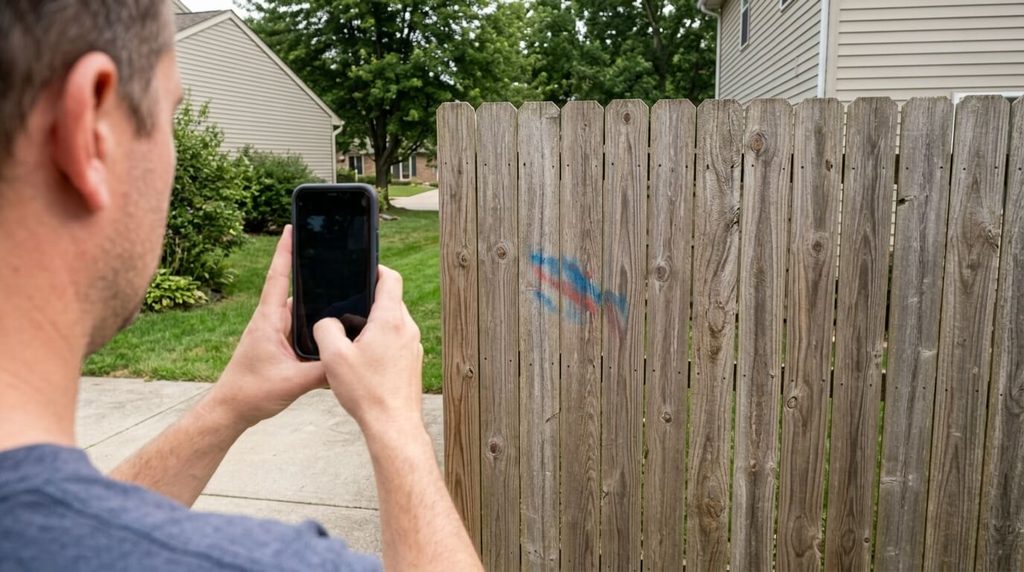
Document the marks and related damage before removal, when it is safe to do so. Preserve relevant footage, discovery dates, and communications, and report the incident through the appropriate local channel. A police report does not guarantee charges or reimbursement for repair costs.
If a message includes a threat, report the exact wording and surrounding circumstances. The legal issues may extend beyond property damage, as our guide to when threats become illegal explains in more detail. Use emergency services for immediate danger rather than waiting to complete a removal request.Document and report the incident
- Record the condition: Take overall and close-up photographs from a safe, lawful location.
- Preserve supporting evidence: Save footage, witness details, and the discovery date without altering originals.
- Notify the responsible parties: Contact police, the owner or manager, and the insurer where appropriate.
- Check local requirements: Read any removal notice and ask about municipal assistance before nonurgent work.
- Keep cost records: Retain estimates, invoices, receipts, and report numbers for any claim or proceeding.
The Graffiti-Free NYC program is one example of local removal assistance and owner-notification rules. Other cities may use different procedures, eligibility criteria, and deadlines. Follow the notice for the actual property rather than assuming that filing a police report satisfies every obligation.
Follow a Simple Documentation Sequence
- Record the scene: Take an overall photograph, then closer images of the marks and any related damage.
- Preserve supporting information: Save the discovery date, relevant footage, witness details, and any report number.
- Confirm responsibility: Notify the owner, landlord, association, or property manager where appropriate.
- Check reporting and claim instructions: Ask whether additional photographs or an inspection are needed before nonurgent removal.
- Arrange suitable treatment: Keep the estimate, approved work scope, and final invoice with the incident record.
Do not delay an urgent safety response just to complete documentation. Avoid confronting someone you suspect of making the marks. If a notice includes a response deadline, follow the local process rather than assuming a police report satisfies the notice.
Preserve the Surface as Well as the Evidence
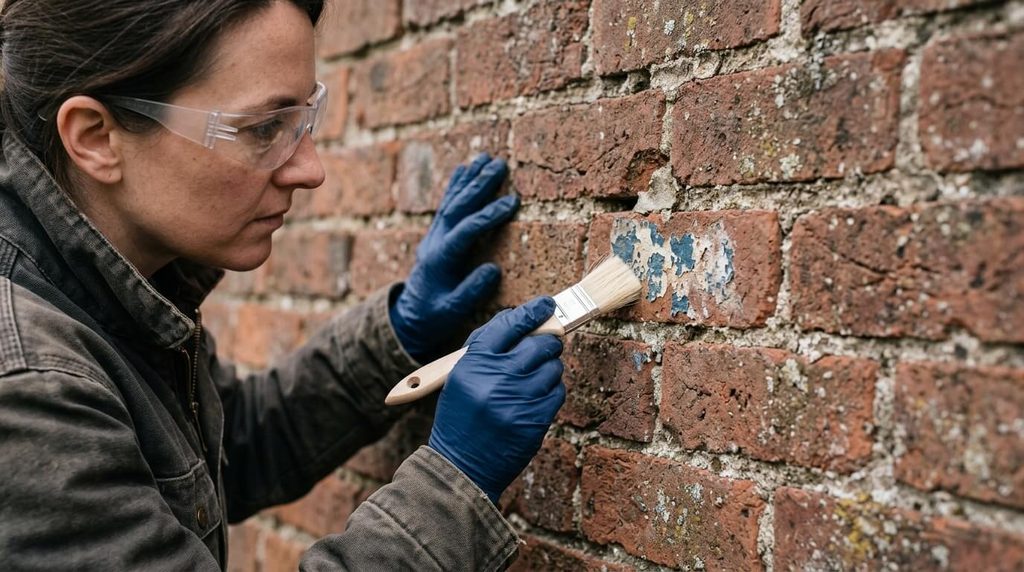
The National Park Service’s graffiti-removal guidance recommends documenting graffiti, identifying the material, testing treatments, and using the gentlest suitable approach. Aggressive cleaning can damage brick, stone, or an existing finish. For historic or fragile surfaces, seek professional advice before applying strong chemicals or abrasive methods.
What If You Are Accused of Making Graffiti?
An allegation is not a conviction. Relevant issues may include identification, permission, the required mental state, and how the damage amount was established. Preserve genuine authorization records and the full surrounding communications, and do not delete material or try to change the evidence.
A local defense attorney can assess the actual charge and any available options. Do not assume that offering to repaint makes a case disappear or authorizes you to return to the property. If you receive a summons or court notice, get advice and follow its instructions promptly.
Are Spray Paint, Chalk, or Markers Illegal to Carry?
Ordinary art supplies should not be confused with an offense requiring unlawful intent. New York’s graffiti-instruments provision requires circumstances showing intent to use the item to damage property without permission or authority. Carrying a marker does not, by itself, establish that offense.
Washable paint, chalk, and stickers are not automatic exceptions to every property rule. Their treatment depends on the material, surface, location, effect, and applicable law. Confirm authorization rather than assuming temporary markings are always permitted.
Conclusion
Is graffiti illegal? Unauthorized marking can be a crime, while an approved project may be lawful when it also satisfies applicable local requirements. Abandoned buildings, trains, existing tags, and public visibility do not create permission on their own.
Before painting, confirm who controls the surface, document approval, and check any permit requirements. If your property has been marked, preserve evidence and explore reporting or removal assistance before choosing a cleaning method. A few upfront checks can prevent a legal dispute or avoidable damage to the wall.Frequently asked questions
Is graffiti illegal on your own property?
Painting your own property addresses the basic issue of another owner’s permission. However, local mural, sign, historic-preservation, shared-ownership, or contractual restrictions may still apply. Check those requirements before starting an exterior project.
Is graffiti illegal if the building already has tags?
Existing graffiti does not establish permission to add more. The earlier marks may also have been unauthorized. Obtain approval from the owner or authorized operator for the specific area you want to paint.
Can you paint a train if it looks abandoned?
A neglected-looking rail car may still be owned and controlled property. Its appearance does not grant access or permission to paint. Stay out of restricted railway areas and use an authorized art space instead.
Is graffiti always a felony?
No, the classification depends on the jurisdiction, damage, and charged offense. New York’s making-graffiti provision is a class A misdemeanor, while other property-damage laws carry different penalties. There is no single nationwide felony threshold.
Can a landlord give permission for a mural?
A landlord with authority over the wall may approve a project, subject to other applicable restrictions. A tenant should obtain that approval rather than assuming ordinary occupancy permits permanent exterior changes. Confirm any required public approvals separately.
Does removable graffiti count as damage?
It can, depending on the applicable law and facts. Defacement may be prohibited even when restoration is possible. Do not assume washable materials or an offer to clean up automatically make unauthorized marking lawful.
