

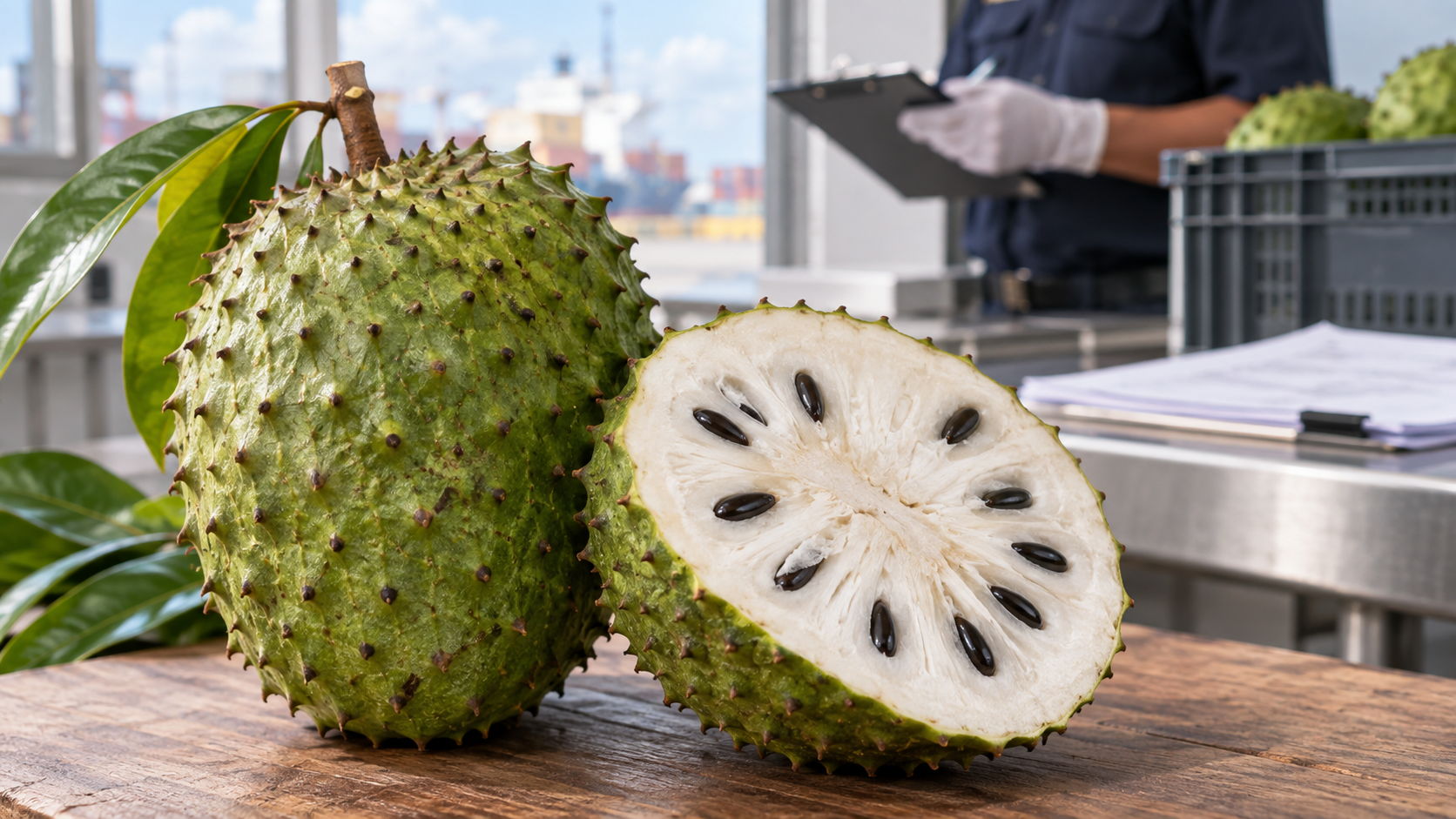
Why Is Soursop Illegal? The Real Legal Answer
If you have searched why is soursop illegal, the first thing to know is that soursop itself is not generally an illegal fruit.
The confusion comes from mixing together several completely different legal issues. Fresh soursop can be restricted at international borders because agricultural agencies are trying to prevent invasive pests. The FDA can detain certain processed soursop products because of safety concerns. Companies can also break federal law by selling soursop products as unapproved treatments for diseases such as cancer.
None of those facts means ordinary soursop is universally illegal to buy, possess, or eat.
In the United States, the picture became even clearer after USDA APHIS authorized commercial imports of fresh soursop from Mexico beginning October 29, 2024, subject to specific plant-health safeguards.
At the same time, the FDA still maintains Import Alert 31-03 for specified soursop products and manufacturers because soursop seeds contain high levels of acetogenins and contaminated products have caused safety concerns.
So the better question is not simply “Is soursop illegal?” It is:
What form of soursop is being regulated, where is it coming from, and what is someone trying to do with it?
No general rule makes ordinary soursop illegal to buy, possess, or eat in the United States, United Kingdom, or India. The confusion usually comes from fresh-fruit import restrictions, FDA action against specific unsafe products, concerns about soursop seeds, and enforcement against companies making unapproved medical claims. A restricted shipment is not the same thing as a banned fruit.
- Soursop itself is not generally prohibited in the United States.
- Fresh-fruit imports are controlled because tropical fruit can carry agricultural pests.
- Fresh soursop from Mexico can enter the continental United States under USDA-approved safeguards.
- The FDA has a current import alert covering specified soursop products with safety concerns.
- Soursop seeds contain higher concentrations of acetogenins and should not be treated like ordinary edible pulp.
- Selling soursop as an unapproved cancer treatment can violate federal drug law.
- The UK also regulates fresh fruit at the border rather than banning soursop itself.
- No blanket national prohibition on ordinary soursop was identified in the Indian trade rules reviewed.
What Is Soursop?
Soursop is the fruit of Annona muricata, a tropical tree also known as graviola, guanabana, guyabano, and prickly custard apple.
Its green skin surrounds soft white pulp containing dark seeds. People use the pulp in drinks, desserts, frozen products, purees, and other foods. Some markets also sell the leaves, stems, extracts, powders, teas, and supplements, where legal and medical questions become more complicated.
That distinction matters because the law does not necessarily treat a fresh fruit, a packet of seeds, a bottled drink, a dietary supplement, and an herbal product marketed as a disease cure in the same way.
This is similar to the legal distinction discussed in The Law Learner’s guide to why canola oil is not banned in Europe. A restriction on a crop, import pathway, ingredient, or product claim should not automatically be described as a total ban.
Why Is Soursop Illegal in the US?
It is more accurate to say that some soursop imports and products are regulated in the United States, not that soursop itself is illegal.
The United States regulates fresh fruits primarily for agricultural reasons. USDA APHIS can restrict fresh produce from particular countries if it may carry fruit flies, insects, plant pathogens, or other pests.
That means a perfectly edible fruit can be prohibited from entering through one trade route while the same type of fruit can be lawfully sold when it comes through an approved source.
Fresh Soursop From Mexico Is Now Authorized Under Conditions
One important fact missing from many older articles is that USDA APHIS authorized fresh soursop from Mexico for import into the continental United States beginning October 29, 2024.
APHIS determined that specified phytosanitary measures could mitigate the identified pest risks. Shipments are subject to inspection, required safeguards, and approved treatment requirements.
This development is strong evidence against the claim that soursop itself is banned nationwide. A banned fruit would not have a federal import pathway allowing commercial shipments under defined conditions.
Possession Ban
A law makes it unlawful simply to possess the item. This is not the general status of soursop.
Import Restriction
Fresh fruit may enter only from approved countries and under specified plant-health conditions.
Product Detention
FDA can detain products from listed firms when particular safety or compliance problems exist.
Illegal Medical Claim
A product may violate drug law when marketed as an unapproved treatment for disease.
Why Does the FDA Have a Saoursop Import Alert?
The FDA’s current Import Alert 31-03 is probably one of the biggest reasons the “soursop is illegal” claim keeps spreading.
The alert is titled “Detention Without Physical Examination of Guanabana (Soursop).”
Its current version explains that the fruit, leaves, and bark contain acetogenins, while the seeds contain particularly high levels and are considered inedible. The FDA describes historical incidents in which seed material entered processed soursop products, including an earlier beverage associated with vomiting and later products where seed cells were detected.
The alert allows the FDA to detain identified products from firms on its Red List without routine physical examination.
That is a serious regulatory measure, but it still does not mean that every soursop fruit, drink, puree, or product in the United States is illegal.
The FDA describes an import alert as guidance on specified manufacturers or products at issue, not a rule that automatically binds every soursop product.
Are Soursop Seeds Illegal?
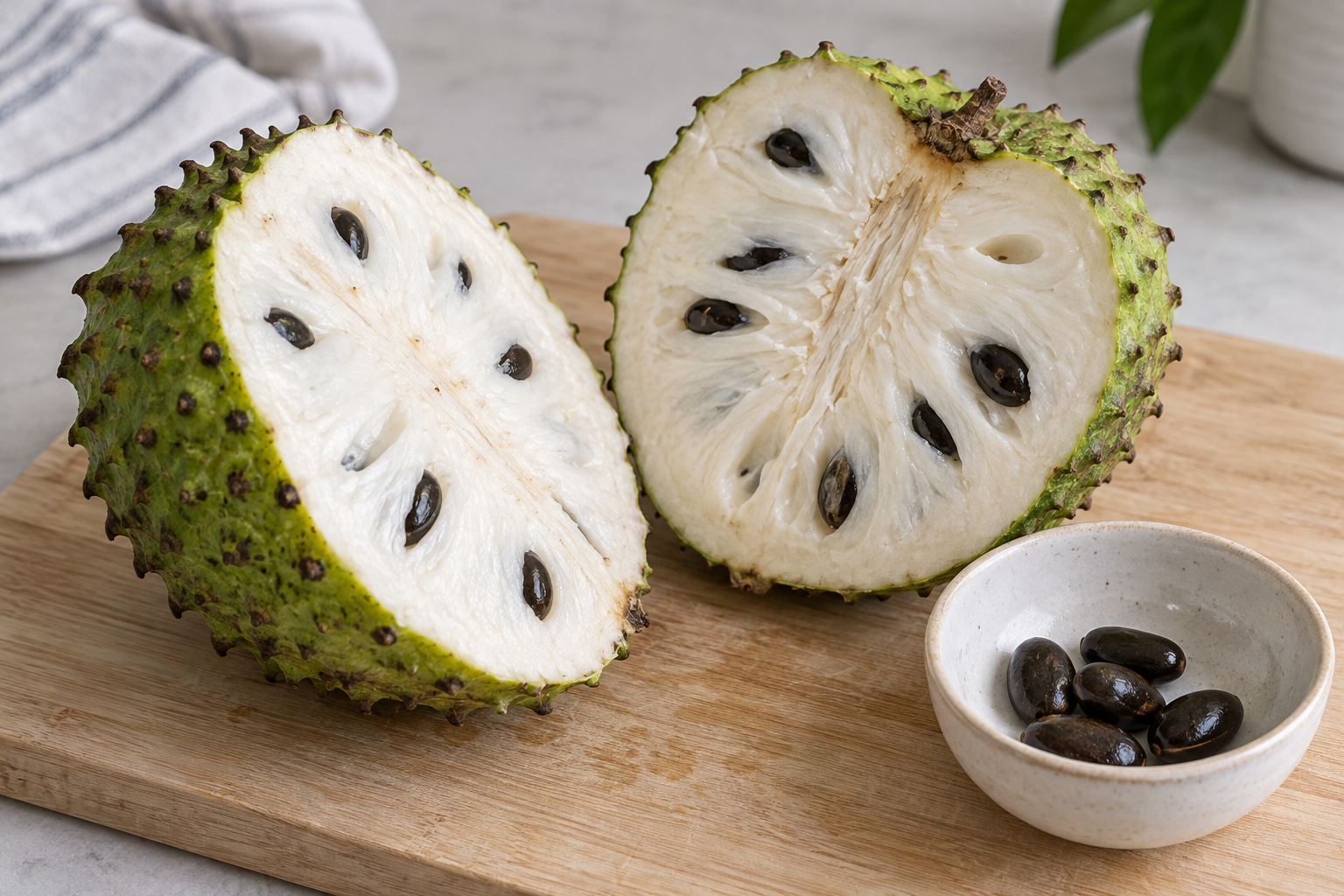
The seeds should not be confused with the edible fruit pulp. The FDA’s current import alert says soursop seeds contain high levels of acetogenins and describes them as inedible.
However, that does not mean a whole fresh soursop becomes an illegal object simply because it naturally contains seeds. The safety problem arises when seed material is consumed or accidentally incorporated into processed food.
If you prepare fresh soursop, the distinction is simple: the soft fruit pulp is the part you ordinarily eat, while the hard black seeds should be removed.
Is Soursop Illegal Because of Cancer Claims?
No. The fruit is not made illegal merely because people make exaggerated health claims about it.
The legal problem is the marketing. Under federal law, a product can be regulated as a drug when its labeling or advertising shows that it is intended to diagnose, cure, mitigate, treat, or prevent disease.
The FDA continues to take action against companies making serious disease claims about soursop.
For example, a February 2026 FDA advisory letter addressed a company selling a product called “Soursop” while making claims that established the product as a drug intended to treat or prevent cancer. The agency said introducing those products into interstate commerce for such uses violated federal law.
In May 2026, the FDA sent another advisory letter involving a “Soursop Smoothie” promoted alongside claims involving cancer and other serious diseases. This is not the FDA saying that a person cannot eat soursop.
It is the FDA saying that a seller cannot legally turn an ordinary food or supplement into an unapproved cancer drug simply by making disease-treatment claims.
Does Soursop Cure Cancer?
Current evidence does not establish soursop as a cancer cure in humans.
Memorial Sloan Kettering notes that graviola is promoted as an alternative cancer treatment but says there is no proof that it provides benefits for cancer patients. It also explains that laboratory studies have explored anticancer effects, while human evidence is lacking.
This difference is essential. A compound affecting cancer cells in a laboratory does not prove that eating the fruit, drinking the leaves as tea, or taking a concentrated supplement can safely treat cancer in a person.
The FDA’s current database of illegally sold cancer treatments also includes graviola-related products among products that have been marketed with problematic claims.
Is Soursop Dangerous to Eat?
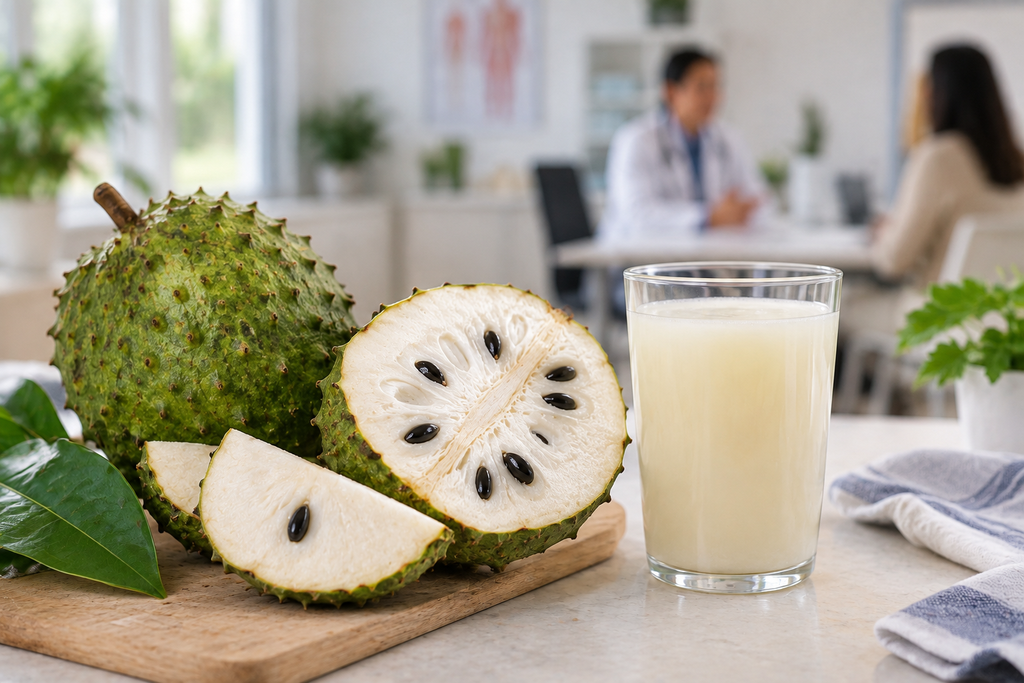
Keep the legal question separate from the health question. Memorial Sloan Kettering states that graviola fruit is generally safe to eat, but advises people to speak with a healthcare provider before using concentrated supplements. It notes possible interactions with medications that lower blood sugar or blood pressure.
The FDA’s stronger concerns involve acetogenins, particularly in the seeds, which contain high levels of those compounds. So regulators identifying potential risks does not automatically mean fresh fruit is prohibited. Many legal foods can still have safety considerations.
Why Are Fresh Soursop Imports Restricted?
Fresh produce can carry living pests. That makes fresh fruit fundamentally different from products such as pasteurized juice, canned fruit, or commercially processed pulp.
When APHIS considered soursop from Mexico, it conducted a pest-risk analysis and concluded that imports could proceed if designated phytosanitary safeguards were applied. The final authorization specifically discussed inspections and irradiation controls.
The purpose is to prevent agricultural pests from entering and spreading through the United States. That is why saying “soursop is illegal because the USDA restricts imports” gets the legal logic backward.
The rules exist because fresh agricultural products can present pest risks, not because the government has criminalized the fruit itself.
Fresh Soursop vs Processed Soursop
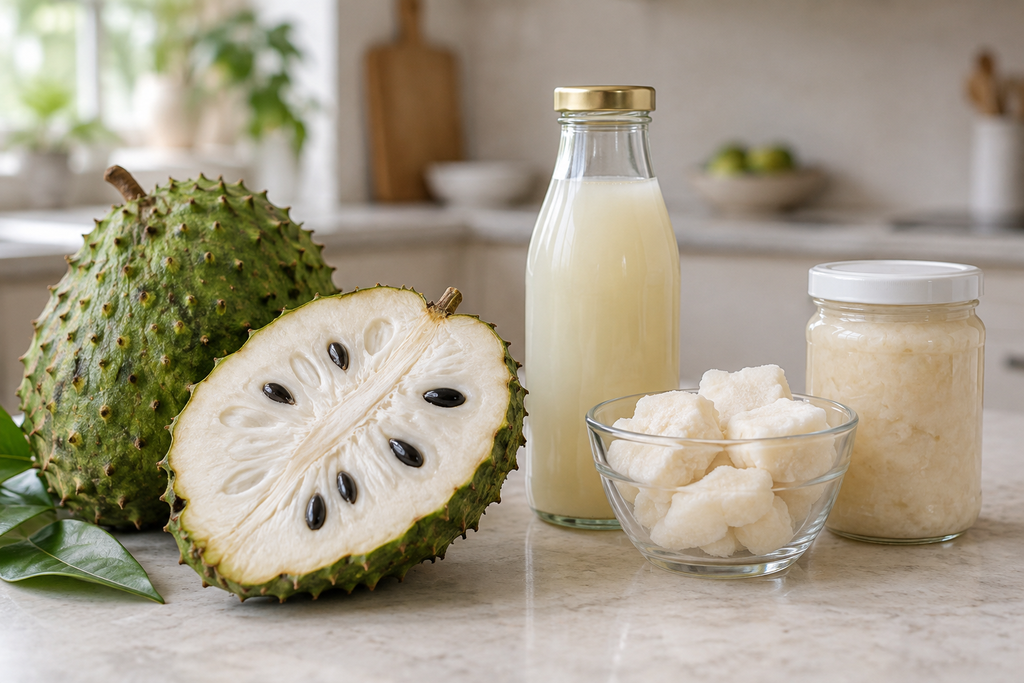
Fresh soursop and processed soursop do not necessarily face the same import requirements. Fresh fruit can carry insects, eggs, larvae, or pathogens. Processing can change that risk considerably.
Consumers may therefore encounter frozen pulp, puree, bottled drinks, dried products, or other preparations even when importing fresh whole fruit from a particular origin is restricted.
That does not mean every processed product is automatically safe or admissible. The FDA import alert shows that processed soursop can face enforcement when seed contamination or other safety problems are identified.
| Product | Main Regulatory Concern | What to Check |
|---|---|---|
| Fresh fruit | Agricultural pests and country of origin | USDA or destination-country import rules |
| Frozen pulp | Food safety and processing controls | FDA/import requirements and product compliance |
| Juice or drink | Food safety, manufacturing and ingredients | Whether the product or manufacturer is subject to an alert |
| Seeds or live plants | Plant health and propagation risks | Plant-import and quarantine requirements |
| Supplement or extract | Safety, labeling and disease claims | Whether marketing turns the product into an unapproved drug |
Can You Bring Soursop Through a U.S. Airport?
Do not assume that a fruit being legal to eat means you can carry it through customs.
Fresh agricultural products entering the United States are subject to USDA and border inspection rules. Admissibility can depend on where the fruit was grown, whether an approved import pathway exists, how it was treated, and whether the shipment includes required documentation.
Commercial soursop from Mexico now has an authorized pathway, but that does not mean a traveler can simply put a fruit into hand luggage and ignore agricultural declaration and entry requirements.
When traveling, check current USDA and Customs and Border Protection requirements before bringing fresh fruit.
Why Is Soursop Illegal in the UK?
Soursop is not subject to a general UK ban simply because it is soursop. The relevant rules largely concern bringing plant products into Great Britain.
Current UK government guidance says that most fruit and vegetables brought into Great Britain from countries outside the EU, Switzerland, and Liechtenstein require a phytosanitary certificate unless they are specifically exempted. Soursop is not listed among the fruit exemptions such as pineapple, coconut, banana, mango, dates, passion fruit, and guava.
A phytosanitary certificate confirms that plant material has been inspected and is considered free from specified dangerous pests and diseases. Commercial importers can also face food hygiene, plant-health, labeling, marketing-standard, and border-control requirements.
The UK even provides a tariff classification for soursop, also called guanabana or graviola, under its fresh-fruit classification guidance. That classification is another reason a blanket claim that “soursop is illegal in the UK” is misleading.
Why Is Soursop Illegal in India?
The available evidence reviewed does not support a blanket statement that ordinary soursop is illegal throughout India. India regulates imported agricultural products through customs, foreign-trade, plant-quarantine, and food-safety frameworks.
The Directorate General of Foreign Trade’s import schedule includes categories for fresh fruit and separate restrictions for certain seeds and plant materials. That does not automatically establish that soursop itself is prohibited.
The legal answer can change depending on whether someone is importing fresh fruit for consumption, seeds for planting, live plants, leaves, extracts, or commercial supplements.
So if a website claims that “India banned soursop,” the useful follow-up question is: Which government notification, product category, and import code does the alleged ban apply to? Without that information, the claim is too broad to rely on.
US, UK, and India Soursop Rules Compared
| Country | General Status | Main Rules to Watch |
|---|---|---|
| United States | No general ban on ordinary soursop | Fresh-fruit import rules, FDA import alerts, seed safety, labeling and unapproved medical claims |
| United Kingdom | No general possession ban identified | Phytosanitary certificates, plant-health controls, food-import and labeling requirements |
| India | No blanket national prohibition identified in the sources reviewed | Customs classification, import policy, plant quarantine, seeds and commercial food rules |
Can You Grow Soursop at Home in the United States?
No general federal rule makes it illegal to grow a soursop tree. The harder legal question is usually how the plant or seed reaches you.
Live plants and seeds can be subject to USDA plant-import and quarantine requirements because planting material can introduce pests and diseases.
A domestically purchased plant from a licensed nursery raises a different regulatory question than importing a live tree or packet of seeds directly from another country.
The climate is another practical limitation. Soursop is a tropical species, so growing it successfully outdoors is much easier in consistently warm conditions.
Why Does the “Soursop Is Illegal” Myth Keep Spreading?
The rumor survives because several true facts sound dramatic without context.
- Fresh soursop imports are regulated.
- The FDA maintains an import alert for certain soursop products.
- The seeds contain higher levels of acetogenins.
- Soursop has been promoted with unsupported cancer-treatment claims.
- The FDA has sent enforcement letters to sellers of graviola and soursop products.
- Plant-health authorities regulate international movement of tropical fruit.
Each statement can be true while the conclusion “soursop is illegal” remains false or misleading.
Before calling a food illegal, identify the exact prohibited act. Is possession prohibited? Is only importation restricted? Is one manufacturer’s product detained? Is a medical marketing claim unlawful? Those are legally different situations.
Can You Legally Buy Soursop Juice or Supplements?
Soursop juice and supplements are not automatically illegal. But sellers must still comply with the legal framework that applies to the product. A conventional beverage is regulated differently from a dietary supplement, and both are regulated differently from a drug.
The FDA’s recent advisory letters show where businesses get into trouble. The problem is often not simply that the product contains soursop. The problem is that the seller promotes it as treating or preventing cancer or another serious disease without the required drug approval.
That distinction protects an important principle:
Being allowed to sell a food or supplement does not mean the government has approved it as an effective medical treatment.
How to Check Whether Soursop Is Legal to Import
If you buy soursop locally from an ordinary retailer, you usually don’t need to become an import-law expert.
But if you are personally transporting or commercially importing the fruit, verify the current rules before shipping or traveling.
- Identify the product. Determine whether it is fresh fruit, frozen pulp, seeds, a live plant, dried leaves, juice, or a supplement.
- Check the origin country. Fresh-fruit rules often depend on where the product was grown.
- Check the responsible regulator. USDA, FDA, customs, plant-health authorities, or another agency may have jurisdiction depending on the item.
- Verify current requirements. Look for permits, phytosanitary certificates, approved treatments, declarations, or product-specific import alerts before shipping.
Common Mistakes When Reading About Soursop Laws
One common mistake is treating an FDA import alert as a nationwide criminal ban. The FDA’s current alert targets identified products and firms and explains why those shipments may be detained.
Another mistake is assuming that an import restriction means domestic possession is illegal. Border controls and domestic possession laws answer different questions.
A third mistake is treating “not FDA approved as a cancer treatment” as if it meant “illegal food.” Many foods are not approved drugs because foods are not supposed to be marketed as treatments unless they meet the applicable drug requirements.
Another problem is relying on old articles. Fresh soursop from Mexico received a new U.S. import pathway in October 2024, so articles claiming that Mexican soursop is categorically prohibited are outdated.
Finally, don’t assume every product called “soursop” carries the same risk. Whole fruit, seeds, leaves, supplements, and processed products raise different safety and regulatory issues.
Conclusion
So, why is soursop illegal?
In most ordinary situations, it is not.
Soursop is not generally prohibited as a fruit in the United States. Fresh imports are regulated to protect agriculture, and USDA now allows commercial fresh soursop from Mexico into the continental United States under specified safeguards.
The FDA does maintain an import alert for certain soursop products because seed contamination and acetogenins have raised safety concerns. The agency also continues to act against businesses that market soursop products as unapproved treatments for cancer and other serious diseases.
In Great Britain, soursop is better understood through plant-health and import rules rather than as a banned fruit. India likewise has agricultural and trade controls, but the sources reviewed do not establish a blanket national ban on ordinary soursop.
The most useful legal question is therefore not “Is soursop illegal?” but “Which soursop product, from where, and for what purpose?”
Frequently Asked Questions
Why is soursop illegal in the US?
Soursop is not generally illegal in the United States. Fresh-fruit imports are regulated because of agricultural pest risks, while specific products can face FDA detention or enforcement. Fresh soursop from Mexico has an authorized commercial import pathway subject to specified safeguards.
Did the FDA ban soursop?
No blanket FDA ban on all soursop exists in the material reviewed. FDA Import Alert 31-03 applies to identified soursop products and manufacturers and allows detention without physical examination under specified circumstances.
Why is soursop illegal UK?
Soursop is not subject to a general UK possession ban. Fresh fruit brought into Great Britain from many countries outside the EU may require a phytosanitary certificate because of plant-health rules.
Why is soursop illegal in India?
The sources reviewed do not establish a blanket national prohibition on ordinary soursop in India. Import, quarantine, customs, seed, and food-safety requirements can still apply depending on the exact product.
Are soursop seeds safe to eat?
FDA’s current soursop import alert states that the seeds contain high levels of acetogenins and describes them as inedible. The black seeds should be removed rather than intentionally consumed with the fruit pulp.
Can you bring soursop into the United States?
It depends on origin, product form, treatment, documentation, and current agricultural import requirements. Commercial imports from Mexico have an approved pathway, but travelers should check current USDA and border requirements before carrying fresh fruit.
Can soursop cure cancer?
Current human evidence does not establish soursop as a cancer cure. Laboratory studies on plant compounds should not be confused with proof that fruit, tea, extracts, or supplements safely treat cancer in people.
Is it legal to grow soursop in the United States?
There is no general federal prohibition on growing a soursop tree. However, importing seeds or live plants from abroad can trigger separate USDA plant-health requirements.
